
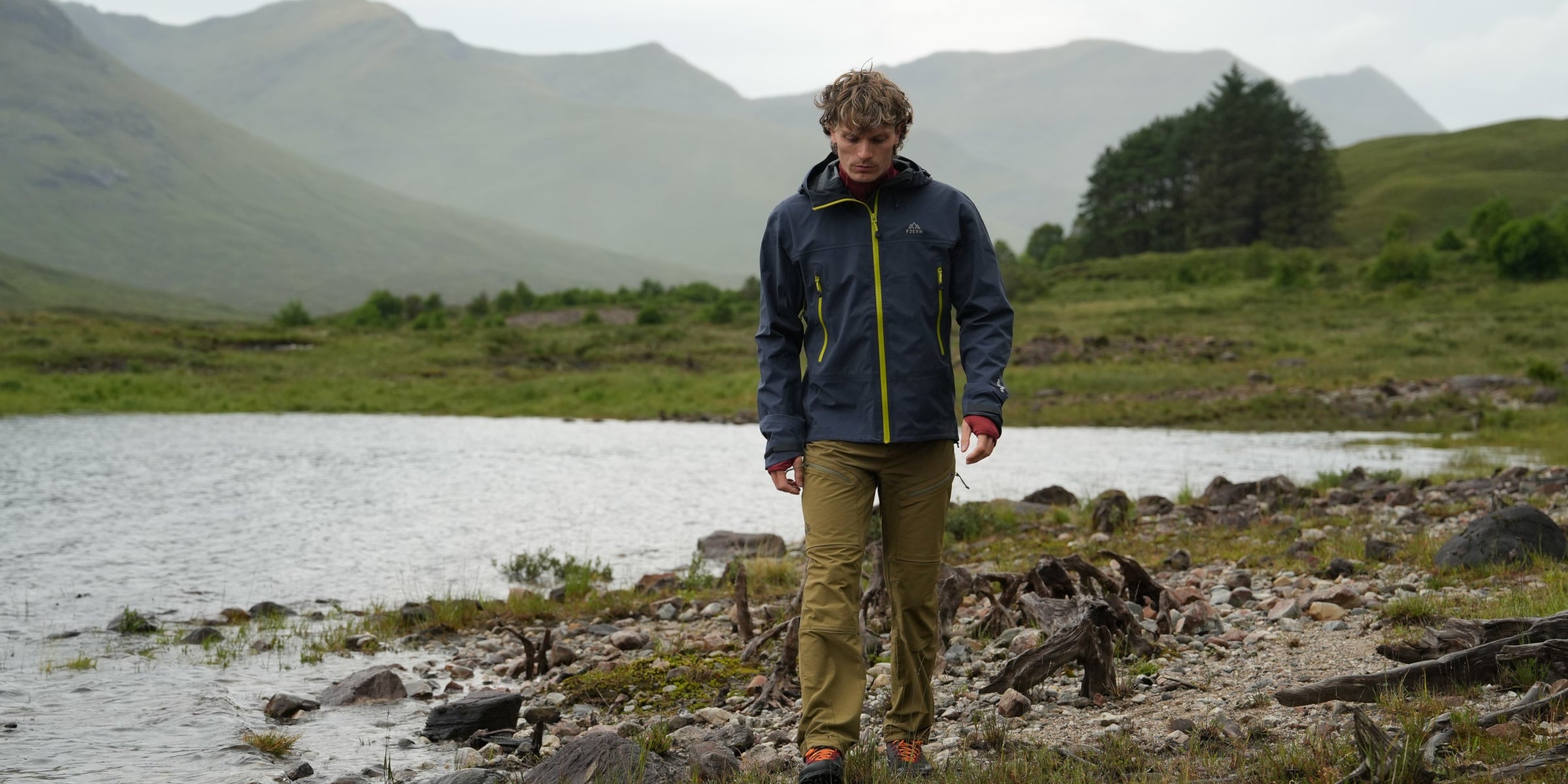


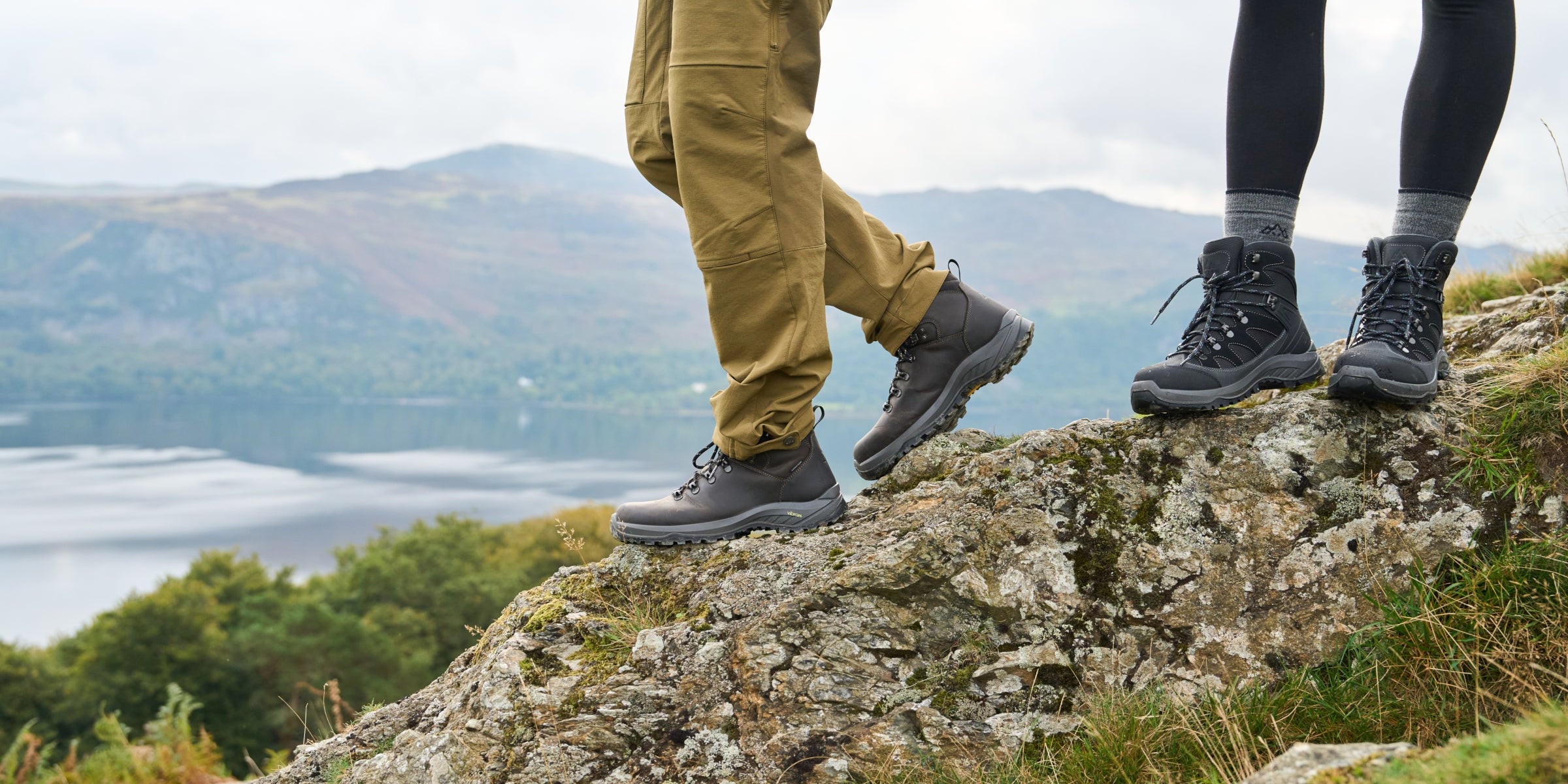
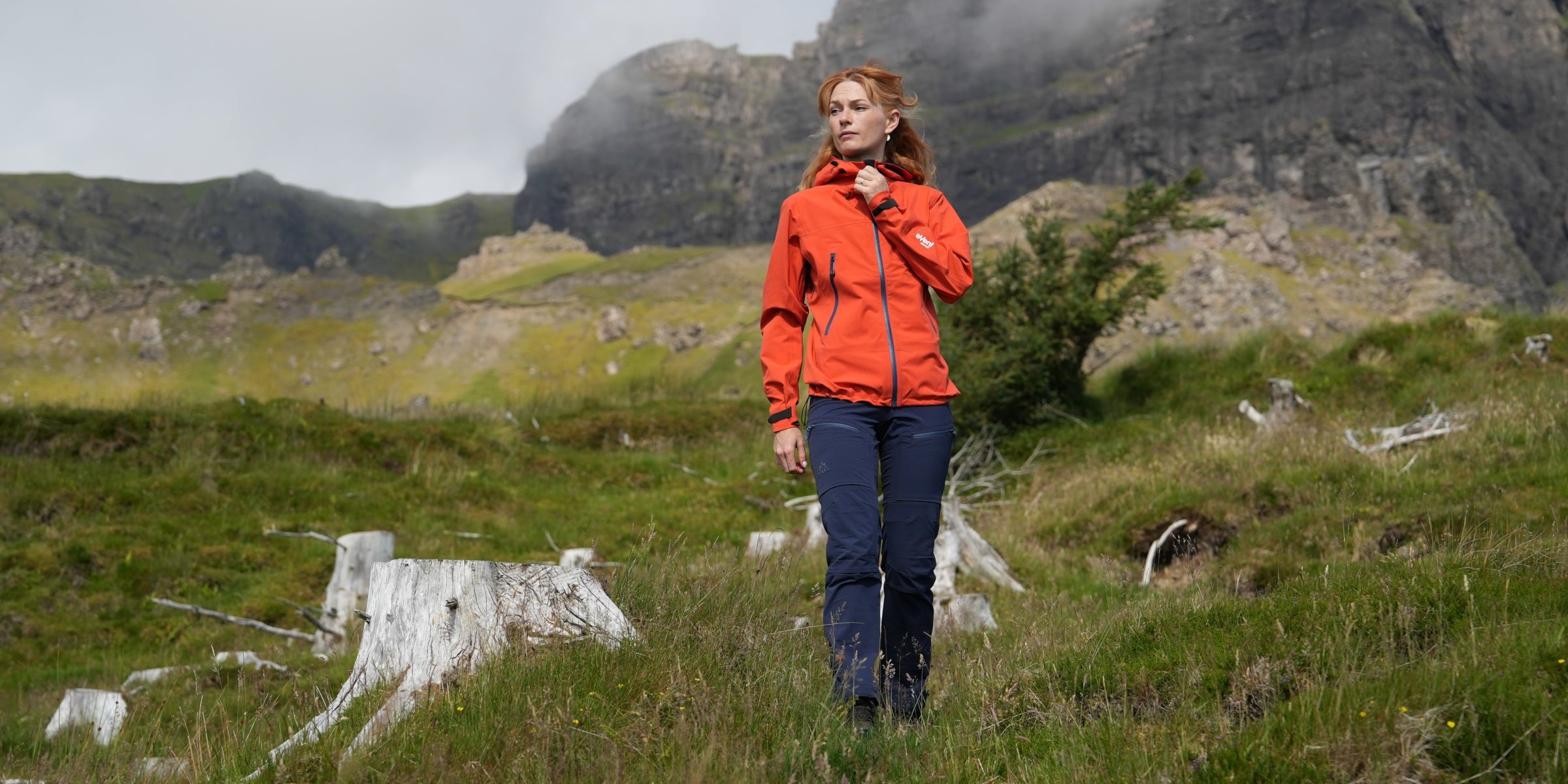






When you’re shopping for an outdoor jacket, one of the first choices you’ll usually come across is softshell vs hardshell. They might look similar at a glance, but they’re designed for quite different conditions and activities. Here’s a simple breakdown of what each one does best, and how to decide which is right for you.
What is a softshell jacket?
Softshell jackets are all about comfort and versatility. They’re made from woven or knitted fabrics that are flexible, breathable, and soft to the touch. Most softshells have some level of water resistance, but they’re not fully waterproof.
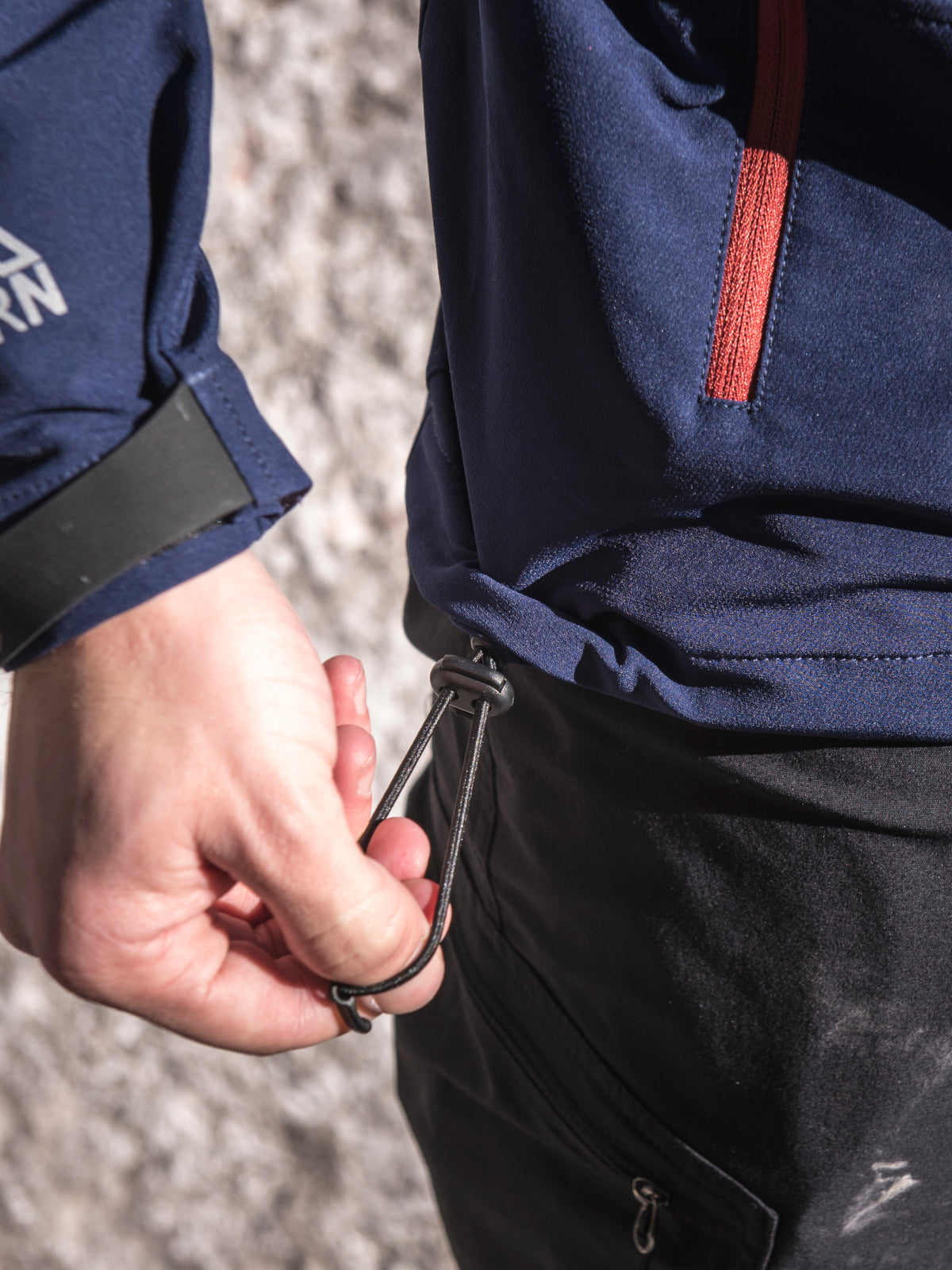
Key features of softshell jackets
- Highly breathable, great for working hard outdoors
- Stretchy and comfortable, easy to move in
- Wind resistant, but usually not fully windproof
- Light rain and snow protection rather than heavy downpours
Softshells are a good choice for activities where you’re moving a lot, such as hiking, scrambling, ski touring, or cold but dry winter days. They’re the kind of jacket you can keep on all day without feeling clammy or restricted.
What is a hardshell jacket?
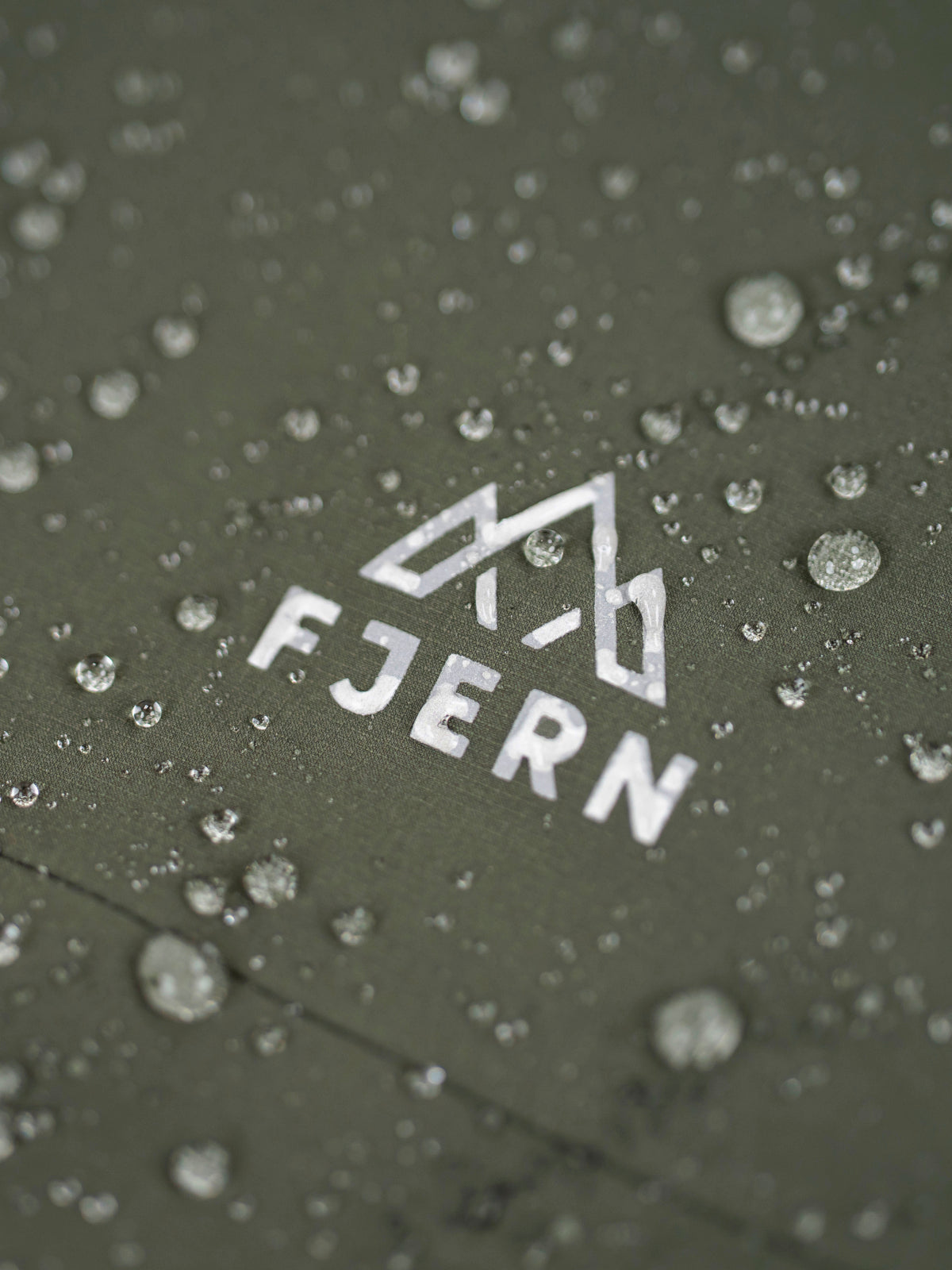
Hardshell jackets are designed for protection first. They use a waterproof membrane and sealed seams to keep rain, snow, and strong winds out, even in tough weather.
Key features of hardshell jackets
- Fully waterproof and windproof
- Designed for prolonged exposure to bad weather
- Less stretchy and breathable than softshells
- Often have features like helmet-compatible hoods and pit zips
Hardshells are ideal when the weather is unpredictable or properly wet. Think heavy rain, driving snow, or exposed mountain conditions where staying dry really matters.
Breathability vs protection
This is the main trade-off between the two.
- Softshells prioritise breathability and comfort. You stay drier from sweat, but not from prolonged rain.
- Hardshells prioritise weather protection. You stay dry from rain and wind, but may need to manage heat build-up during high activity.
When should you choose a softshell?
A softshell is usually the better option if:
- The forecast is cold, dry, or only lightly wet
- You’re moving continuously and working up a sweat
- Comfort, stretch, and breathability matter more than full waterproofing
Many people find a softshell becomes their most-used jacket because it’s so easy to wear in everyday outdoor conditions.
When should you choose a hardshell?
A hardshell makes more sense if:
- You expect sustained rain, snow, or strong wind
- You’ll be spending time stationary, belaying, or standing around
- You want a reliable outer layer for mountain or winter use
Hardshells are often carried as a “just in case” layer, only coming out when the weather turns.
Conclusion
There’s no single right answer when it comes to softshell vs hardshell. It depends on the weather, your activity level, and what you personally find most comfortable. If you’re often active in dry or cold conditions, a softshell might be your go-to. If you’re heading into unpredictable or harsh weather, a hardshell is hard to beat.
Understanding the difference makes it much easier to choose the right layer for your next adventure.

